A Homeowner’s Checklist: Seasonal Plumbing Maintenance Tips Apr 18, 2026
Spring marks a time of thawing and new growth, and your plumbing system is no exception. Start by checking for leaks that might have formed during the winter freeze. Inspect pipes for cracks or damage and ensure outdoor faucets are functioning properly as things warm up. It's also a good time to test your sump pump. Pour a bucket of water into the sump pit. If the pump does not engage, it's time to call a professional.
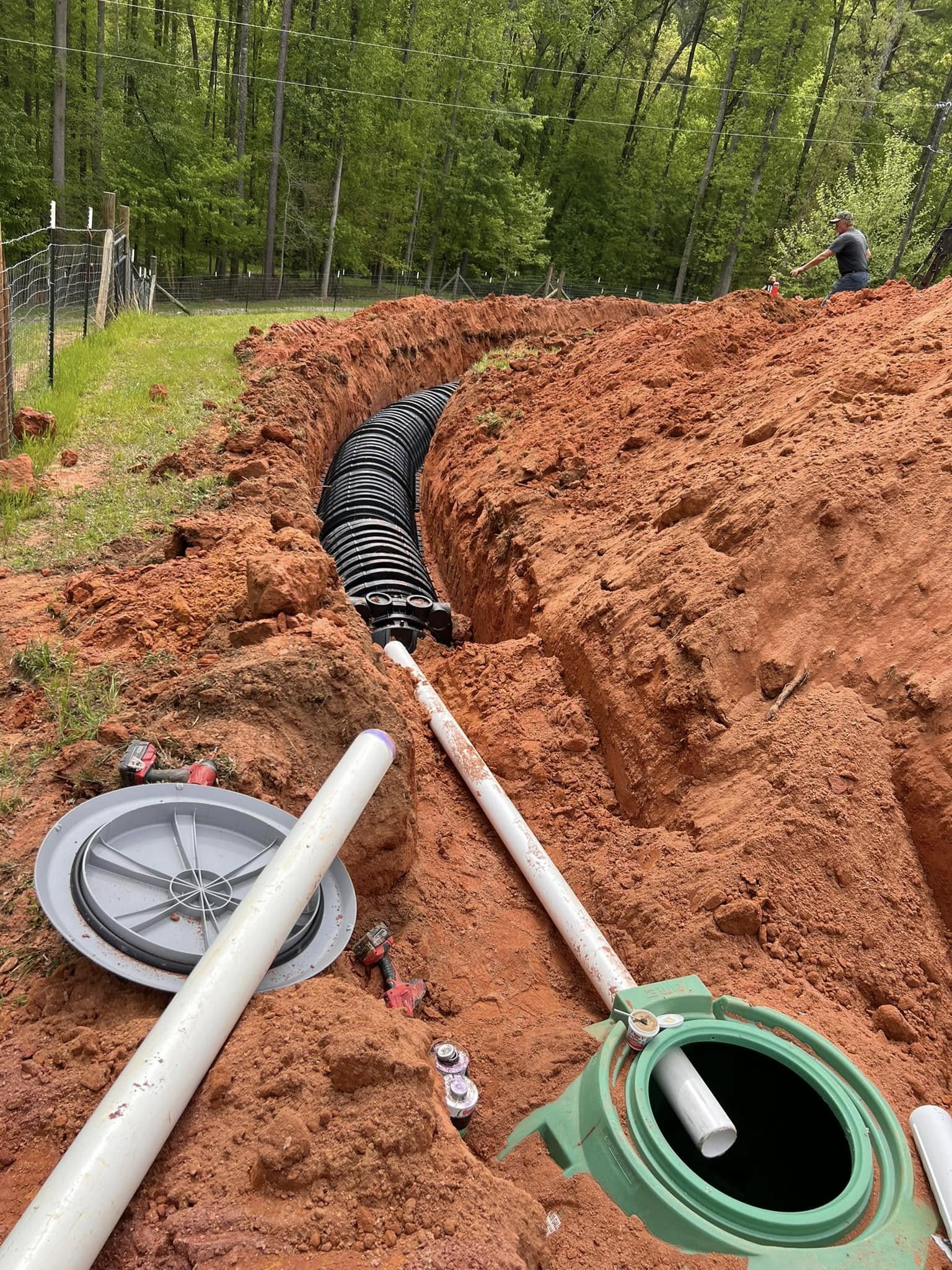
Summer storms can overwhelm your drainage system, so ensure gutters and downspouts are clear of debris. It's crucial to pay attention to your septic system during this time; heavier rainfall can saturate the soil around your septic drain field. Avoid putting excess water into the system by spacing out load-heavy activities like laundry and dishes.
As the leaves start to fall, autumn's cooler temperatures offer a respite for outdoor and indoor plumbing preparation. Drain and store garden hoses, and shut off valves to outdoor spigots if possible, to prevent residual water from freezing and causing damage. Indoors, give your water heater a once-over by checking the pressure relief valve and flushing it out to remove sediment that could affect efficiency. Don’t forget to inspect for toilet leaks by adding a few drops of food coloring to the tank; if the color seeps into the bowl, you have a leakage issue that needs fixing.
Winter is perhaps the most treacherous season for plumbing. To avoid pipes freezing, insulate exposed pipes in unheated areas like garages and basements. Keeping the thermostat at a consistent temperature, even when you’re away, can prevent costly emergency calls. If you’re experiencing low water flow and suspect a frozen pipe, call LGN Plumbing and Septic immediately to mitigate the risk of a burst pipe.
Throughout these changes, remain vigilant about what goes down your drains. Limiting the disposal of grease and large food items can prevent clogs. If you’re living in a region with hard water, consider installing a water softener to prevent scale build-up that can reduce the efficiency of pipes and appliances.
For those with a septic system, routine maintenance can't be overstressed. A septic tank should be pumped every three to five years. Regular checks by professionals from LGN Plumbing and Septic can assess the system’s health and help you avoid premature failures.
In conclusion, adhering to a plumbing maintenance routine aligned with the seasons can save homeowners from inconvenient and costly repairs. If any step seems too daunting or if issues arise, LGN Plumbing and Septic specialists are always on standby to lend a hand. Proactive maintenance today ensures peace of mind and functional comfort tomorrow. So, let this checklist be your guide to safeguarding one of your home’s most vital systems year-round.
/filters:no_upscale()/filters:format(webp)/media/690184a2-5df2-49da-9b6b-039a1ca9b1fc.jpeg)
/filters:no_upscale()/filters:format(webp)/media/8eb2c25a-7925-4b1f-805d-a8fab33f0a27.jpeg)