Eco-Friendly Plumbing Practices: How to Conserve Water and Reduce Waste Apr 27, 2026
The first step in embracing eco-friendly plumbing is understanding the significance of water conservation. Reducing your household's water usage starts with small changes. Begin by fixing any leaking faucets or pipes. A single dripping faucet can waste thousands of gallons of water annually. Furthermore, consider installing low-flow fixtures. These devices, including showerheads and faucets, significantly reduce water flow without compromising performance, leading to substantial water savings over time.
Toilets are another critical area where water conservation can make a significant impact. Traditional toilets use up to 7 gallons per flush, whereas low-flow or dual-flush toilets use less than 1.6 gallons. By upgrading to more efficient models, you not only conserve water but also reduce your water bill. To further reduce waste, consider using a toilet water displacement device, which can cut down on the volume used per flush.
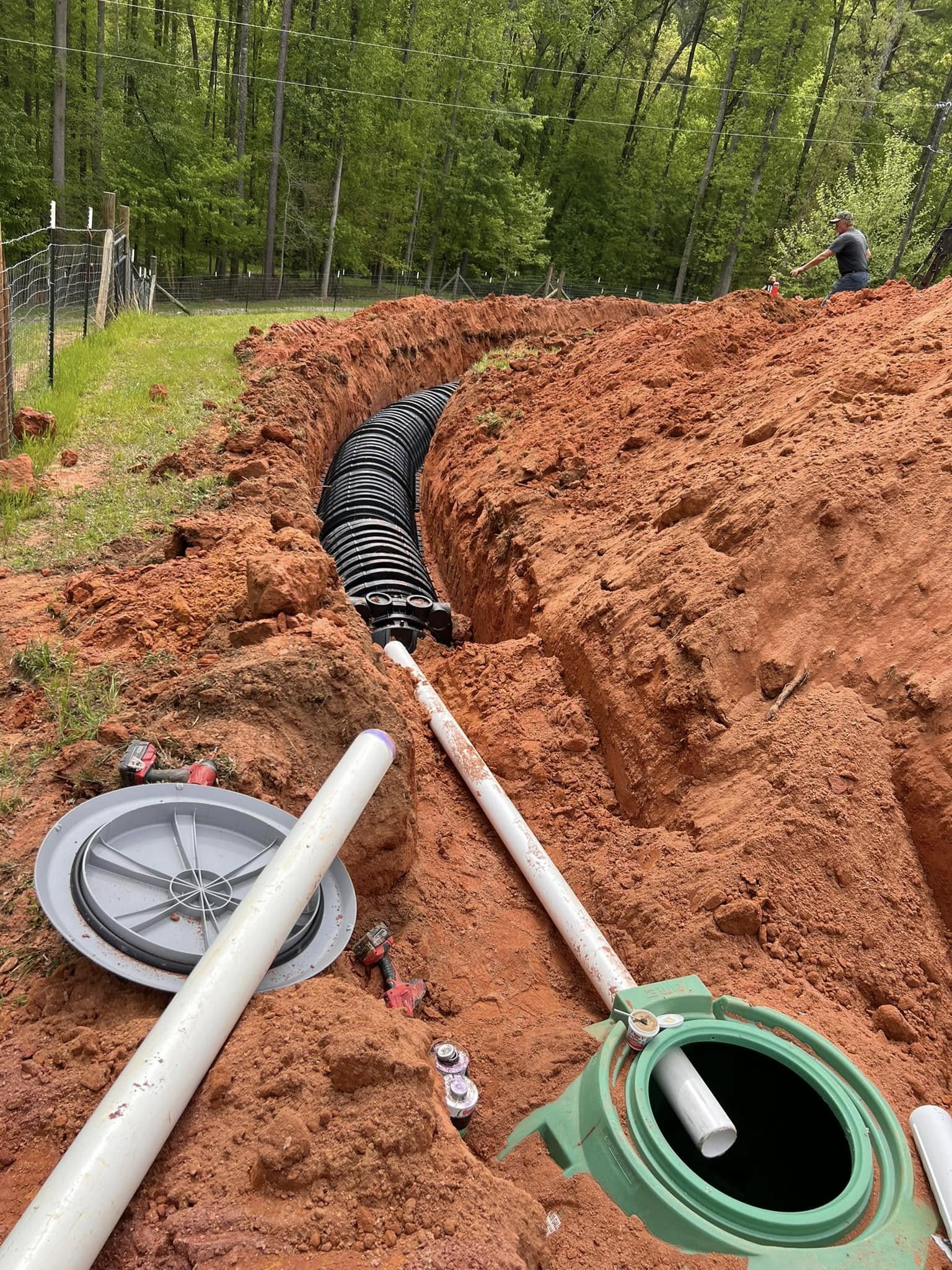
Eco-friendly plumbing is not just about water conservation—it's about reducing waste produced by your plumbing system as well. To accomplish this, it is crucial to be mindful of what gets flushed down the drain. Avoid disposing of oils, greases, or chemical-laden cleaning agents through your plumbing as they can cause severe damage to your septic systems and the surrounding environment. Instead, opt for eco-friendly cleaning products that are biodegradable and less harmful to both your plumbing system and the planet.
Incorporating rainwater harvesting systems is another innovative approach to eco-friendly plumbing. By collecting rainwater, you can use it for non-potable purposes such as irrigation, flushing toilets, and even laundry. This practice not only reduces the demand on municipal water supplies but also decreases the volume of stormwater runoff, which can pollute local waterways.
Additionally, consider using greywater systems that recycle water from sinks, showers, and laundries to irrigate your garden. This minimized water usage can be incredibly beneficial, especially in areas prone to droughts. Before implementing a greywater system, ensure compliance with local regulations and guidelines to maintain safety and efficiency.
Investing in energy-efficient appliances such as tankless water heaters can further optimize your plumbing system's environmental impact. These systems only heat water as needed, reducing energy consumption and lowering your utility bills. Similarly, upgrading to efficient dishwashers and washing machines can contribute to significant water and energy savings.
To wrap up, eco-friendly plumbing practices offer immense benefits reaching far beyond individual households. At LGN Plumbing and Septic, we encourage you to take these steps toward a more sustainable future. By conserving water and reducing waste, you can play an essential role in protecting our precious resources. For more personalized advice or assistance with implementing these practices, contact our team of experts to help you make your home as eco-friendly as possible. Embrace sustainable living and set an example for generations to come.
/filters:no_upscale()/filters:format(webp)/media/690184a2-5df2-49da-9b6b-039a1ca9b1fc.jpeg)
/filters:no_upscale()/filters:format(webp)/media/8eb2c25a-7925-4b1f-805d-a8fab33f0a27.jpeg)