How to Prepare Your Septic System for Heavy Rainfall: Essential Tips Jun 27, 2026
Understanding the potential impact of excessive rain on your septic system is the first step. Heavy rainfall can overwhelm a system, leading to backed-up plumbing, sewage spills, and unpleasant odors. These problems are not only inconvenient but can also pose health hazards. Preparing in advance can mitigate these risks.
One of the most effective ways to prepare your septic system for heavy rainfall is through regular inspections and maintenance. Ensuring your septic system is in optimal condition can help it handle the extra water load. Regularly schedule a professional inspection and pump service through reliable providers like LGN Plumbing and Septic. Typically, septic tanks should be inspected every three years and pumped every three to five years, depending on usage.
In addition to routine inspections, protecting your septic system from excess water starts with monitoring water use inside your home. Being mindful of water consumption can prevent overloading your system when the rain hits. Simple acts like spreading out laundry loads, fixing leaky faucets, and using water-efficient appliances can make a significant difference.
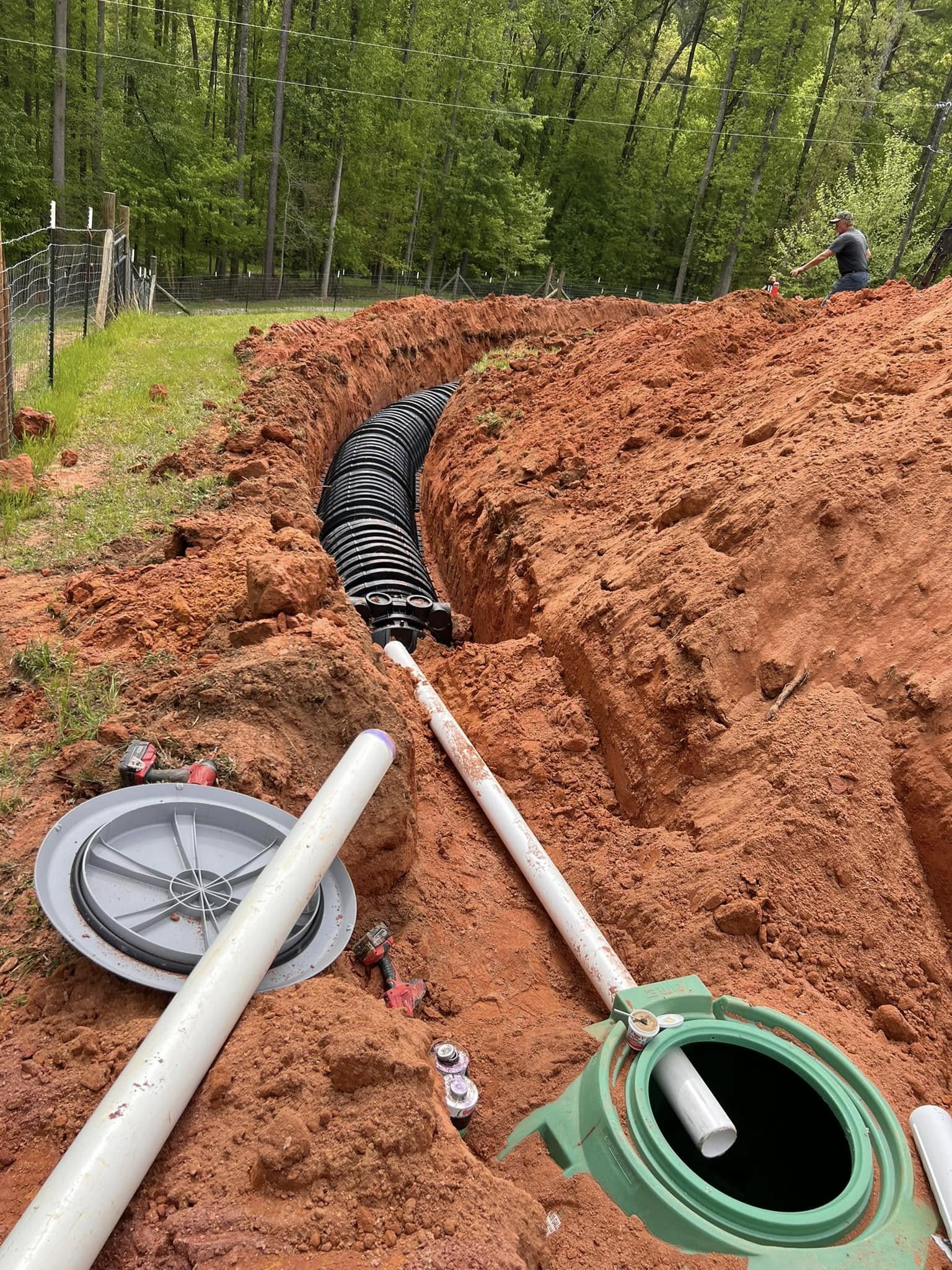
Outside your home, managing landscaping effectively can also safeguard your septic system. Divert rainwater away from your drainfield, ensuring that gutters and downspouts direct water far from the area. If necessary, consider creating a landscape that slopes away from your septic field. Planting grass over the septic field can help absorb excess water, while deep-rooted plants should be avoided as they may invade septic components.
During heavy rains, be cautious and aware of warning signs like slow drains, sewage odors, or water pooling in your yard—all of which may indicate issues with your system. If you notice any of these signs, contact a professional immediately to assess and manage the situation.
It's also critical to limit foot and vehicle traffic over your drainfield, especially during wet conditions. Compacted soil can reduce the system's capability to absorb and treat wastewater efficiently. Use designated paths to cross your yard, and keep heavy machinery or vehicles away from the septic area.
In cases where flooding occurs, consider installing septic system flood alarms. These devices can alert homeowners to rising liquid levels in the tank, allowing prompt action before a complete overflow occurs.
As rainfall patterns become more erratic, preparedness becomes key for household systems, especially something as critical as the septic tank. By following these essential tips, homeowners can rest easier knowing they've taken steps to protect their property and health.
Choosing professional experts from LGN Plumbing and Septic for regular maintenance and emergency service provides peace of mind and ensures that your septic system remains in reliable working order. As weather patterns shift, stay ahead with proactive measures to protect your home from water damage and septic complications. For expert guidance and service, reach out to LGN Plumbing and Septic today.
/filters:no_upscale()/filters:format(webp)/media/690184a2-5df2-49da-9b6b-039a1ca9b1fc.jpeg)
/filters:no_upscale()/filters:format(webp)/media/8eb2c25a-7925-4b1f-805d-a8fab33f0a27.jpeg)