Navigating Septic System Upgrades: How to Make Smart Choices for Your Home Apr 25, 2026
Understanding the Basics of Septic Systems
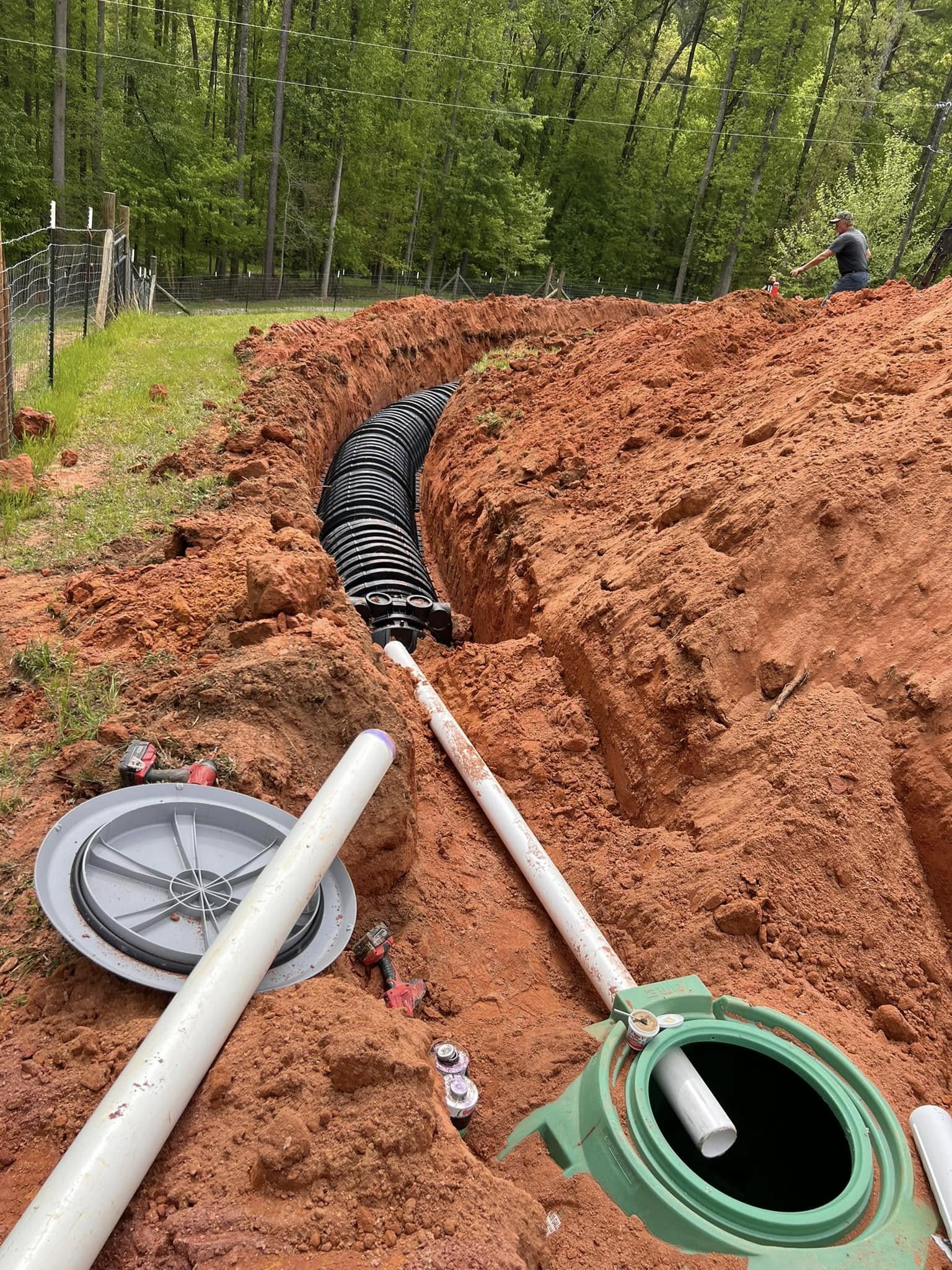
Septic systems are underground wastewater treatment structures, commonly used in areas without centralized sewer systems. Typically comprising a septic tank and a drain field, these systems are responsible for separating solids from wastewater, ensuring that clean water re-enters the groundwater system. Without proper care, an outdated system can lead to a range of problems, from unpleasant odors in your yard to costly repairs.
Recognizing the Signs for an Upgrade
Homeowners need to know when it’s time for a septic system upgrade. Signs that your system might be ready for an overhaul include persistent foul smells around drainage areas, toilets flushing slower than usual, and recurring backups in sinks and showers. An aging system may also struggle to keep up if you’ve added more family members or enhancements like a new bathroom. Upgrading preemptively rather than reactively can save thousands in emergency repairs.
Choosing Modern Solutions
Technological advancements have empowered septic systems to be more efficient and environmentally friendly. Eco-friendly models now offer enhanced water purification and energy savings. Consider replacing an outdated tank with a high-efficiency alternative that meets current environmental standards. Systems equipped with advanced filtration and low-energy usage pumps reduce the environmental footprint, which can also appeal to future buyers if you decide to sell your home.
Working with Reliable Professionals
Selecting the right professionals is paramount to a successful upgrade. Consult qualified local plumbing and septic service providers like LGN Plumbing and Septic. Our team understands the intricate needs of different homes and landscapes, offering tailored solutions that ensure your system's performance is restored effectively. When hiring, always check for credentials, customer reviews, and accreditations to ensure the job is in competent hands.
Obtaining Necessary Permits
Upgrading a septic system also involves various regulatory requirements. Contact your local health department and other relevant bodies to understand the permits required. This step is essential as non-compliance may stall your project and potentially incur penalties. Professional services like LGN Plumbing and Septic are adept at navigating these regulatory pathways, ensuring that all procedures meet local codes and standards, eliminating stress for homeowners.
Planning for Long-term Maintenance
Once your upgraded septic system is in place, sticking to a regular maintenance schedule will extend its life and performance. Regular pumping every three to five years, depending on usage, and annual inspections by a certified professional are recommended. Additionally, monitor water usage to avoid overloading the system and refrain from disposing non-biodegradable substances down the drain.
In conclusion, upgrading your septic system not only enhances the functionality of your home’s wastewater management but also increases property value and environmental compliance. By recognizing when an upgrade is necessary, opting for modern technological solutions, and working with professional services like LGN Plumbing and Septic, homeowners can ensure their system operates efficiently for years to come. Prioritize planning and maintenance to safeguard your investment and maintain a healthy living environment.
/filters:no_upscale()/filters:format(webp)/media/690184a2-5df2-49da-9b6b-039a1ca9b1fc.jpeg)
/filters:no_upscale()/filters:format(webp)/media/8eb2c25a-7925-4b1f-805d-a8fab33f0a27.jpeg)