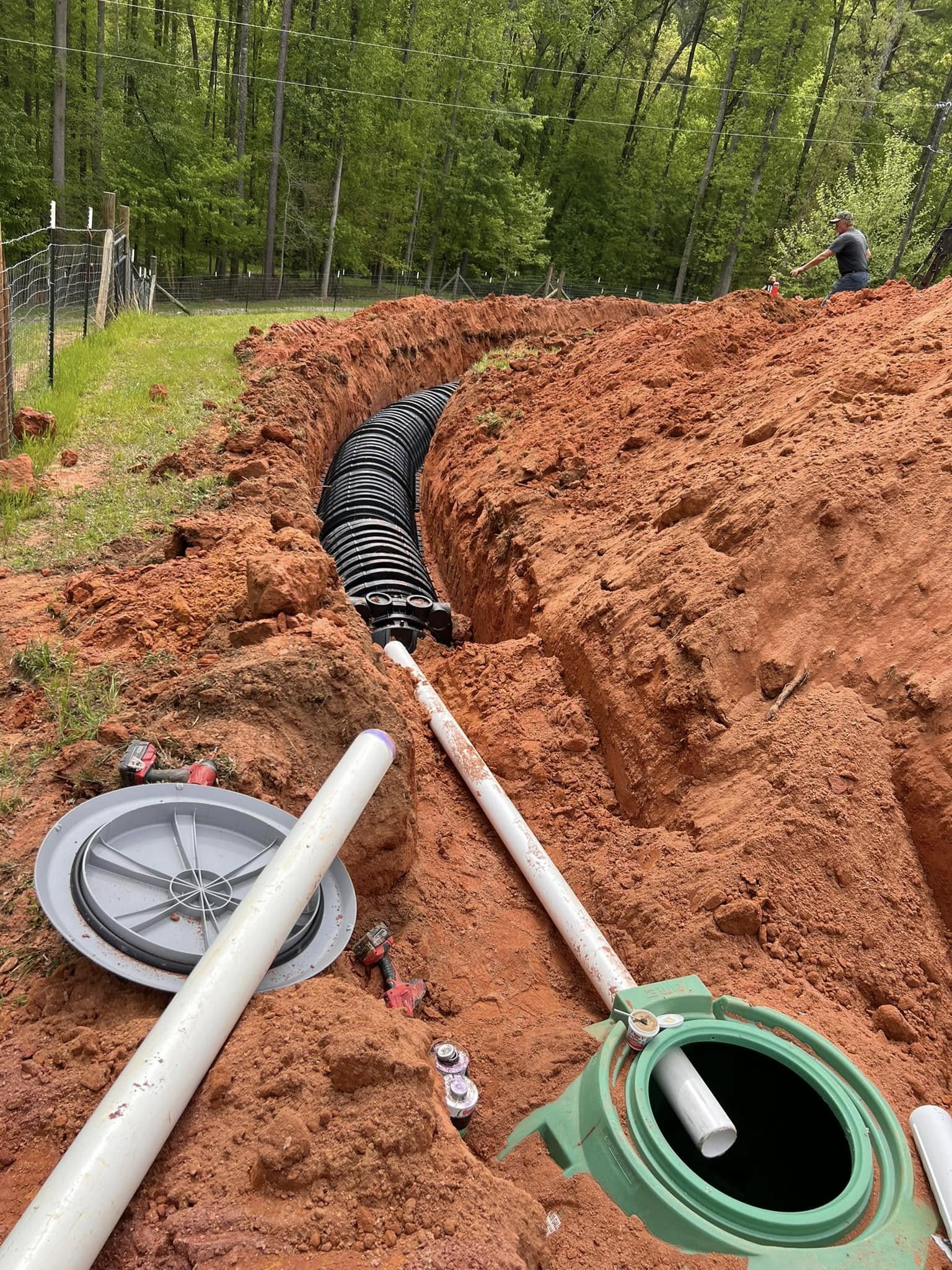
Understanding Septic Tank Additives: Benefits and Drawbacks for Your System Jul 13, 2026
Septic tank additives are generally marketed as products that help maintain system health. These additives can be biological or chemical. Biological additives introduce enzymes and bacteria into your system, aimed at promoting the natural breakdown of household waste. Chemical additives, on the other hand, comprise both inorganic compounds or acids intended to break down waste more aggressively.
One of the touted benefits of using biological septic tank additives is their ability to enhance the bacterial balance in your tank. This theoretically accelerates the decomposition process, helping manage sludge levels. For systems struggling due to antibacterial agents or excessive water usage, introducing these biological boosters can sometimes provide a temporary reprieve, as they claim to restore the natural working environment of the tank.
Chemical additives, meanwhile, are often promoted as powerful solutions to reduce sludge and scum levels rapidly. They can even clear blockages that cause unpleasant odors or slow drainage. For homeowners dealing with significant obstructions, this might present an appealing solution to avoid more invasive methods.
Despite these potential benefits, septic tank additives come with noticeable drawbacks. Many experts, including those from institutions like the Environmental Protection Agency, suggest that routine system maintenance, such as regular pumping, is more effective than relying on additives. The introduction of certain chemical additives, particularly harsh ones, can disrupt the delicate bacterial balance essential for natural waste processing. Over-reliance on these products without professional advice may exacerbate septic system issues over time.
Furthermore, regular use of chemical septic tank additives can be harmful to the environment. These substances can leach into the surrounding soil and groundwater, potentially influencing local ecosystems negatively. The risk of these harmful side effects is one reason many experts recommend exhausting all other maintenance options before considering additives.
For customers of LGN Plumbing and Septic, the takeaway should be clear: understanding what your system needs is crucial. If you suspect the need for septic tank additives, consult with a plumbing professional rather than self-diagnosing. A professional's assessment can confirm whether additives are necessary, potentially saving you from unnecessary expenses or harm to your system.
In conclusion, while septic tank additives are marketed as maintenance solutions, their application requires caution. The benefits they provide may be temporary and depend heavily on specific use cases. Service from reputable professionals such as LGN Plumbing and Septic can present a more holistic approach to managing and maintaining septic systems without unnecessary risk. Remember, the key to a healthy, long-lasting septic system lies in regular maintenance and professional advice rather than quick fixes.
/filters:no_upscale()/filters:format(webp)/media/690184a2-5df2-49da-9b6b-039a1ca9b1fc.jpeg)
/filters:no_upscale()/filters:format(webp)/media/8eb2c25a-7925-4b1f-805d-a8fab33f0a27.jpeg)