Understanding the Chemistry of Your Septic System: A Deep Dive Mar 22, 2026
Septic systems are essential for managing waste when your home isn’t connected to a municipal sewer. They rely on chemical processes to break down household waste, making it safe for the environment. Understanding these processes can help you manage your septic system better and avoid costly repairs.
At the heart of the septic system is your septic tank. Wastewater enters the tank from your house, and this is where the chemistry begins. The tank is a biological marvel, using a combination of gravity and bacterial action to separate solids from liquids. Heavier solids settle at the bottom, forming sludge, while lighter particles and fats rise to the top, creating a scum layer.
The magical workhorse here is bacteria. Anaerobic bacteria thrive in the tank, breaking down solid waste into simpler compounds. This process is crucial because it reduces the volume of sludge at the tank bottom, preventing clogs or the need for frequent pumping. Without these bacteria, waste would accumulate rapidly, leading to backups or system failures.
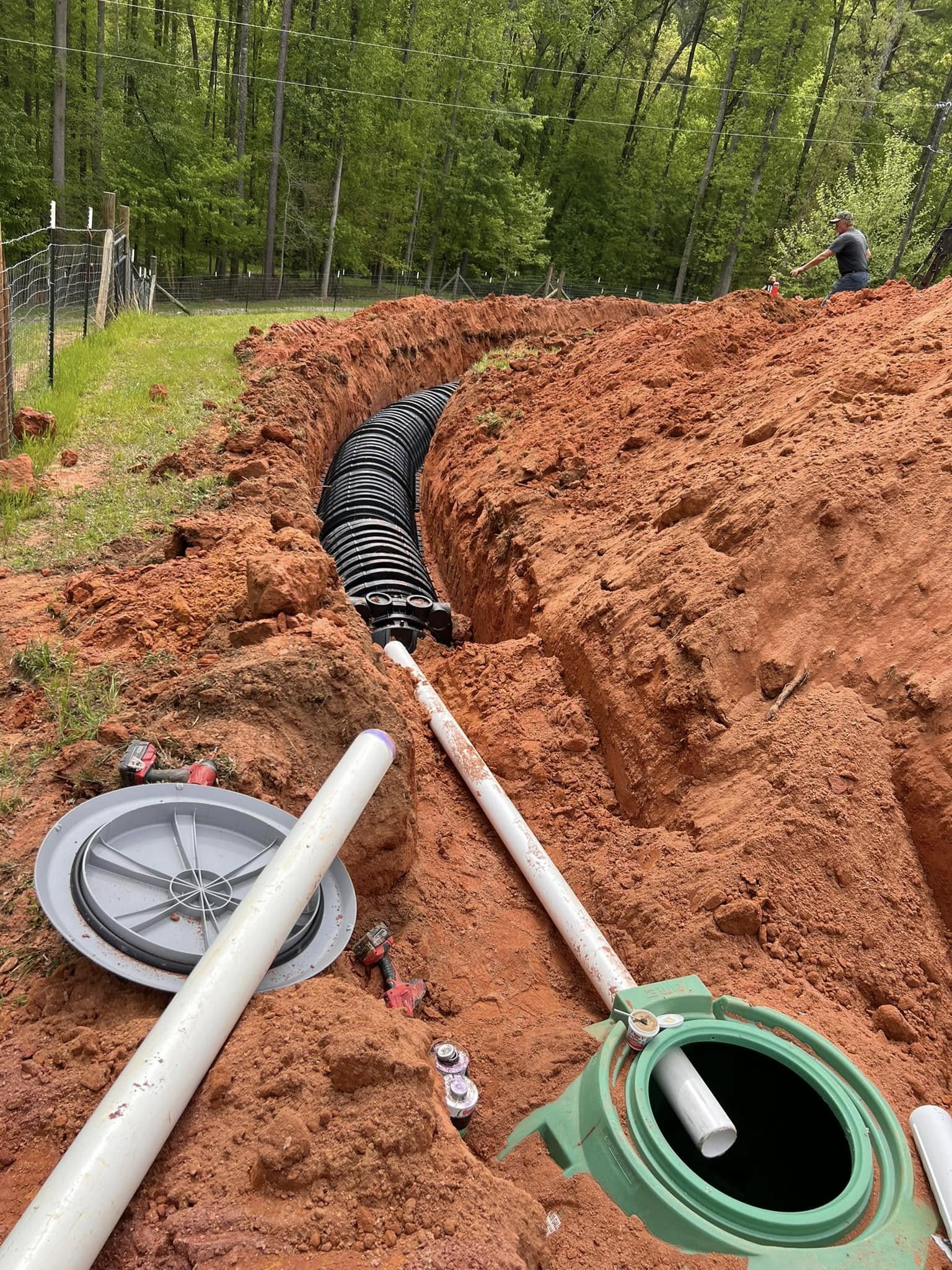
After initial decomposition, the liquid component, or effluent, passes into the drain field. Here, aerobic bacteria in the soil further purify the wastewater. This two-step bacterial treatment is nature's way of recycling water, ensuring that what seeps back into the ground is safe for the environment.
One of the key maintenance tips we give to our LGN Plumbing and Septic clients is to be mindful of what goes down the drain. Harsh chemicals, excessive grease, or large volumes of waste disrupt bacterial activity. These substances can kill the bacteria essential for breaking down waste, leading to a buildup of solids and potential system failure. We recommend using septic-safe cleaning products and limiting the use of chemical cleaners.
Routine maintenance is also vital. Regular pumping of your septic tank is necessary to remove accumulated sludge and scum, keeping the bacteria balance optimal. A good rule of thumb is to have your tank inspected every two to three years, but factors such as tank size and household size may require more frequent attention.
Moreover, understanding the chemical balance in your septic system can have broader benefits. A well-maintained system not only protects your home but also safeguards nearby water sources from contamination. This environmental plus is one more reason to stay on top of septic system health.
In conclusion, your septic system is a complex interplay of chemistry and biology that, when maintained properly, offers years of efficient waste management. At LGN Plumbing and Septic, we're dedicated to helping you understand these processes so you can ensure your system’s longevity. By using septic-safe products and scheduling regular maintenance, you can keep your septic system running smoothly, saving you money and protecting your investment.
If you have any concerns about your septic system or need professional help, don't hesitate to contact LGN Plumbing and Septic. We’re here to make sure your system is another worry you can flush away.
/filters:no_upscale()/filters:format(webp)/media/690184a2-5df2-49da-9b6b-039a1ca9b1fc.jpeg)
/filters:no_upscale()/filters:format(webp)/media/8eb2c25a-7925-4b1f-805d-a8fab33f0a27.jpeg)