Understanding the Lifecycle of Your Septic System Mar 24, 2026
At the heart of a home's wastewater management, a septic system primarily consists of a septic tank and a drain field. The journey begins when wastewater from showers, sinks, toilets, and appliances flows into the septic tank. This initial step is the collection phase, an essential component where solid waste settles at the bottom, forming sludge, and oils rise to the top as scum. Meanwhile, the liquid effluent remains in the middle layer.
Understanding this settling process is vital because it determines how efficiently your septic tank operates. Regular maintenance, including pumping every three to five years, is indispensable and helps prevent the system from becoming overloaded and causing backups or leaks. This proactive step aligns with best practices recommended by LGN Plumbing and Septic's technicians to maintain system integrity.
Following the collection of wastewater, the next stage is treatment, occurring naturally within the tank. Anaerobic bacteria break down organic matter, reducing solid waste volume and beginning the filtration process. This biological breakdown is an integral part of the septic system lifecycle, supported by proper tank maintenance and mindful usage of household cleaning products to maintain bacterial balance.
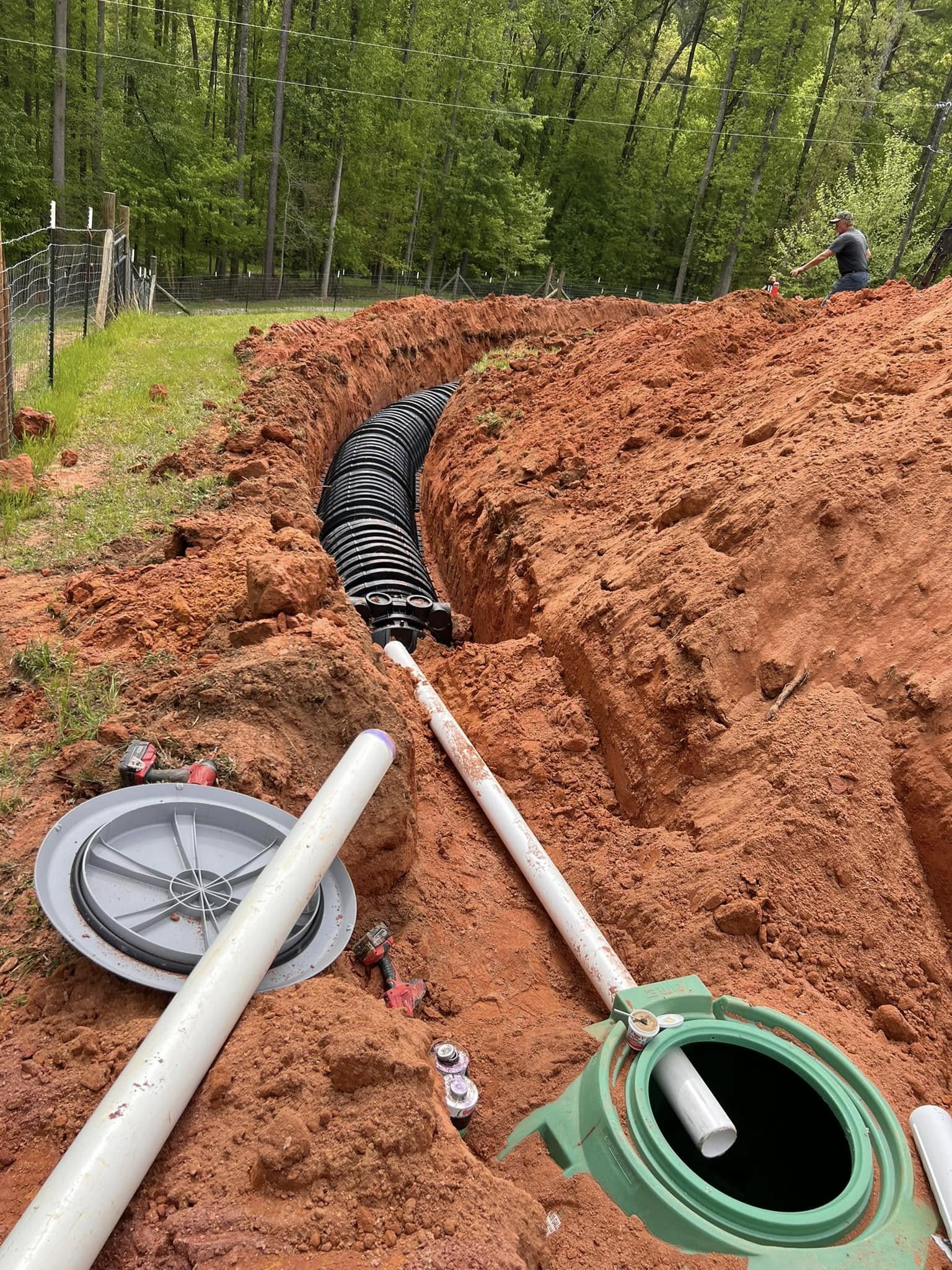
Next comes the distribution phase, where the effluent moves from the septic tank to the drain field. A well-designed system ensures the even distribution of treated water across a broad surface where it seeps naturally into the soil. Here, the soil acts as a natural filter, further treating the wastewater before it re-enters the environment.
The importance of this phase cannot be overstated, as improper drainage can lead to environmental hazards and health risks. Homeowners must be attentive to signs of septic system failure such as pooling water, bad odors, or lush grass over the drain field. These could indicate issues that require immediate attention from LGN Plumbing and Septic.
Finally, the lifecycle reaches its culmination with the rejuvenation stage. A well-cared-for septic system will sustain itself by repeating the cycle for decades. However, this requires homeowners to engage in proper care, such as not flushing non-degradable materials, avoiding excessive use of water, and regular inspections by professionals. These steps are part of LGN Plumbing and Septic's proactive approach to septic care, aiming to extend your system's lifespan while ensuring its efficiency.
In conclusion, understanding each stage of your septic system’s lifecycle allows for better anticipation of its needs, preventing failures, and ensuring longevity. By taking a proactive stance with regular maintenance, mindful use, and professional consultation, homeowners can navigate potential pitfalls. LGN Plumbing and Septic stands ready to assist you with tailored solutions, ensuring that your septic system remains a silent, yet crucial, component of a healthy home environment. By investing in your system's longevity, you're making a commitment to preserving the health of both your home and the environment.
/filters:no_upscale()/filters:format(webp)/media/690184a2-5df2-49da-9b6b-039a1ca9b1fc.jpeg)
/filters:no_upscale()/filters:format(webp)/media/8eb2c25a-7925-4b1f-805d-a8fab33f0a27.jpeg)