Understanding the Role of Bacteria in Your Septic System's Health Jul 14, 2026
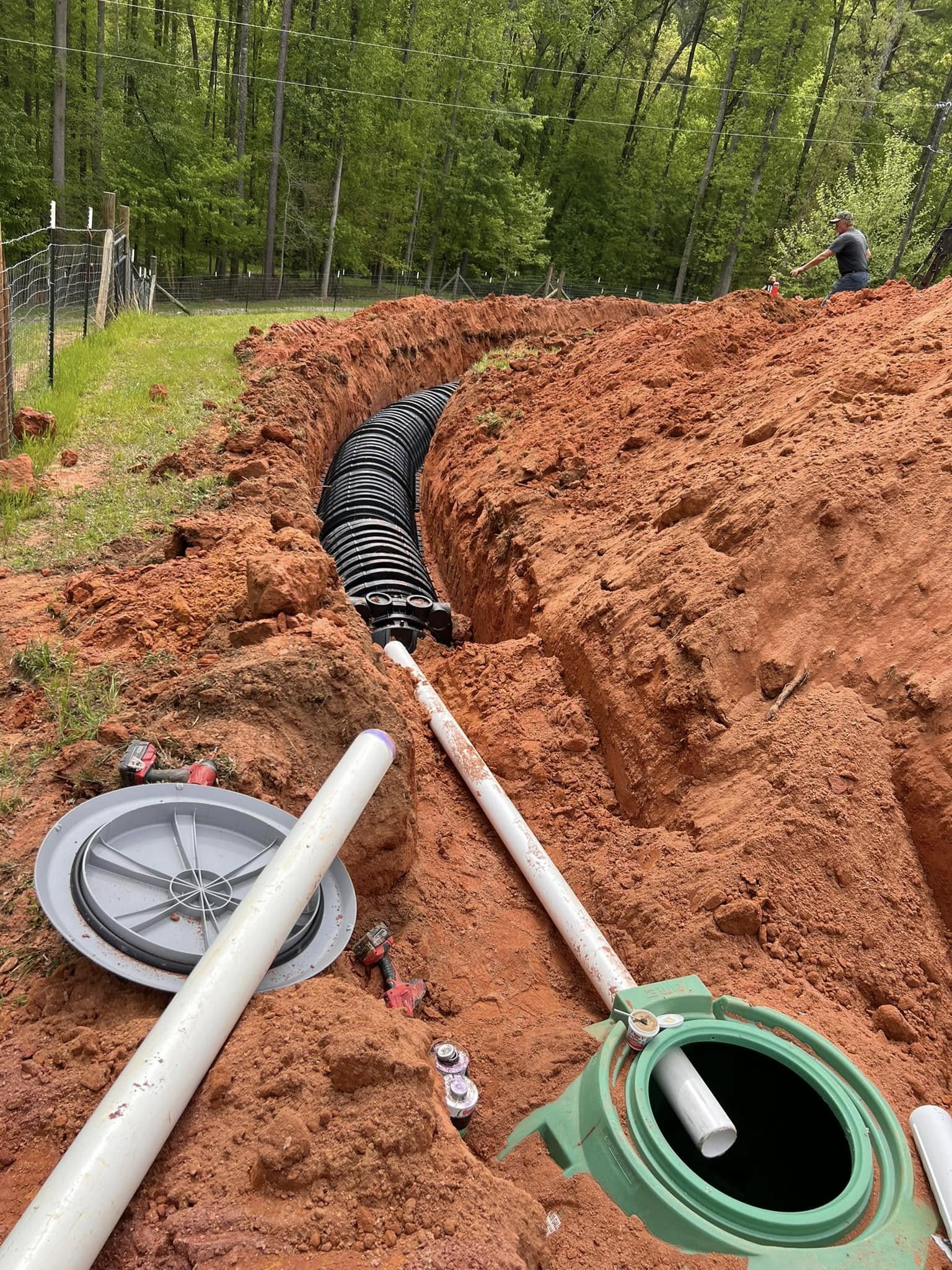
To begin, let's explore what a septic system actually does. A septic system treats wastewater from your home through a combination of biological and mechanical processes. The central tank, often buried underground, houses bacteria that break down organic material. A healthy colony of these bacteria is essential because they digest the solids, turning them into a simpler, less harmful substance.
Bacteria play a vital role within the septic tank, providing a sort of natural treatment plant right under your home. They decompose organic waste into water, gas, and a small amount of residue. Without these microorganisms, the system would quickly become a holding tank, eventually leading to clogs and overflows that could back up into your home or seep into your yard.
However, not all bacteria are good for your septic system. It's important to maintain a balance, ensuring that beneficial bacteria thrive while harmful types are kept in check. This balance can be disrupted by introducing harsh chemicals, excessive fats, and antibacterial cleaners into the system. These substances can kill beneficial bacteria, reducing the effectiveness of your septic system and potentially leading to costly repairs.
So, how can you support the health of your septic tank bacteria? First and foremost, be mindful of what goes down your drains. Avoid flushing non-biodegradable items, even those that claim to be "flushable". These products are notorious for disrupting the natural balance within the tank. Also, limit the use of bleach and other strong cleaning agents, as they can destroy necessary bacterial colonies.
In addition to being cautious with household products, regular maintenance is key. Periodic septic tank inspections by professional services like LGN Plumbing and Septic can assess bacterial health and system integrity. We recommend having your septic system inspected every 3 to 5 years, or sooner if you notice slow drains, gurgling sounds, or unpleasant odors.
For homeowners interested in fostering a robust bacterial environment, adding septic-safe bacterial additives can be beneficial. These products introduce or boost beneficial bacteria, enhancing the system’s natural processing capabilities. Remember, more bacteria isn’t always better; thus, select products recommended by experts to avoid disrupting the tank’s balance.
In conclusion, understanding and supporting the role of bacteria in your septic system is crucial for its longevity and efficiency. By ensuring the right conditions for beneficial bacteria to thrive, you can prevent malfunctions, avoid costly repairs, and ensure that your septic system continues to function properly. LGN Plumbing and Septic is here to help with regular inspections or to address any concerns you may have about your septic and plumbing systems. Armed with this knowledge, you can take proactive steps to maintain your septic system, ensuring a healthier home environment.
/filters:no_upscale()/filters:format(webp)/media/690184a2-5df2-49da-9b6b-039a1ca9b1fc.jpeg)
/filters:no_upscale()/filters:format(webp)/media/8eb2c25a-7925-4b1f-805d-a8fab33f0a27.jpeg)